
Tuscan Leather Craftsmanship, Unpacked: The Artistry Powering Ferragamo
Instead of merely piecing footwear and leather goods together, Salvatore Ferragamo cultivated his renown on precision-crafting them with real technical rigor. That founding ethos, born in Florence in 1927, remains central to how a ferragamo bag is shaped, sewn and completed even now. Grasping the brand’s underlying craftsmanship helps explain why a salvatore ferragamo bag draws admiration among enthusiasts and casual browsers alike. It also helps make sense of cost, durability and why certain pieces are singled out as the best ferragamo bags on the pre-owned and first-hand markets.
Leather selection, tanning method, hardware sourcing and hand-finishing all play a role in shaping what distinguishes an starter piece from a top-tier heritage piece. The following piece walks through each stage of that process, examines how build quality varies by category, and gives a grounded overview of what to look for when browsing a ferragamo shop in 2026.
Where It All Started: the House’s Approach to Leather
In Bonito, Italy, Salvatore Ferragamo learned shoemaking, before moving to the United States and eventually returning to Florence to establish his workshop. His early obsession was anatomical fit, which drove him to examine materials as meticulously as craftsmanship technique. That same rigor extended to leather goods once the house expanded beyond footwear feragamo in the mid-20th century.
Florence itself is significant in this story. The city is positioned at the center of Tuscany’s tanning industry, an area with generations of refined know-how in vegetable and chrome tanning alike. Ferragamo draws much of its hide supply from tanneries within this region, which minimizes shipping delays and allows tighter oversight between tannery and workshop. Being nearby isn’t just a promotional talking point; it’s a production advantage that limits damage from transit and maintains uniform hide quality.
This regional concentration also clarifies why numerous Italian luxury brands, Ferragamo among them, run their studios within a tight radius of Florence and its surrounding provinces. The infrastructure — tanneries, hardware foundries, skilled artisans — exists in one place, and that clustering is part of why “Italian leather” carries real technical weight rather than mere promotional wording.
How Ferragamo Leather Is Chosen and Processed
Not every hide qualifies for a finished bag. Tanneries grade skins for density, tightness of grain and surface flaws before they’re approved for cutting. Ferragamo’s leather goods generally depend on full-grain or top-grain calfskin, along with exotic materials like python or crocodile skin for certain limited-edition releases, though availability varies by season and collection.
Tanning as a process takes one of two main routes: the vegetable-tanning method, which uses tree bark and plant extracts and can take several weeks, or the chrome-tanning method, which is faster and results in a more pliant, more pliable finish.
Once tanning is complete, hides pass through dyeing, buffing and at times embossing before they ever reach a cutting table. Any flaw at this stage — an uneven dye lot, a hide that’s too thin at the shoulder — results in the skin discarded. As a result production quantities for some bag lines remain limited; the raw material simply fails to consistently meet the bar.
Craft Techniques That Define a Ferragamo Bag
After approved leather reaches the workshop, cutting is done with regard for the hide’s natural grain direction, since panels cut against the grain expand and age differently than those cut with it. Skilled cutters map each pattern piece to avoid scars, stretch marks or thin zones near the hide’s edges.
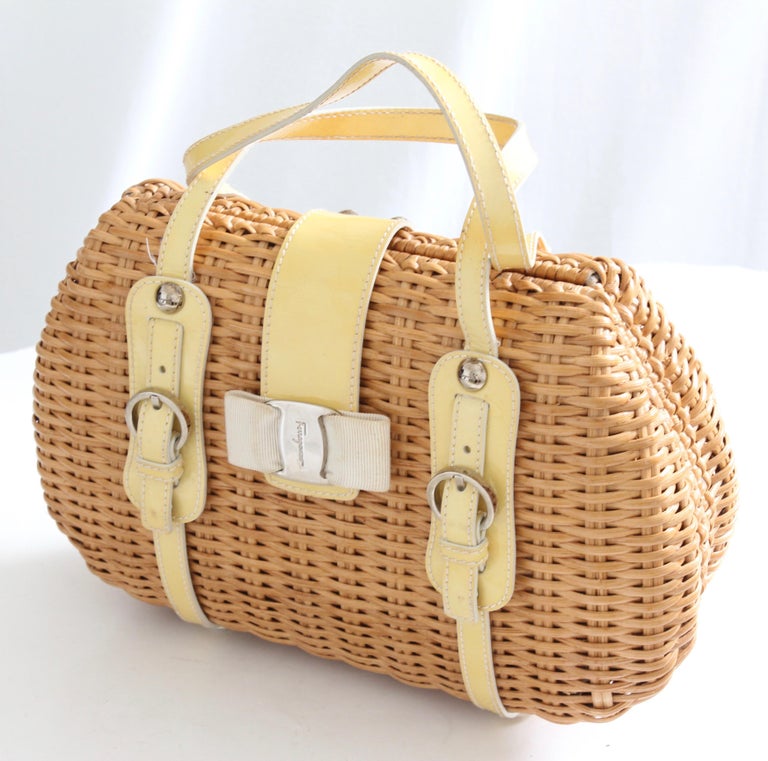
Stitching on a ferragamo bag typically combines machine work for structural seams with hand-finishing on edges, handles and closures. Edge painting — applying multiple thin coats of lacquer to a leather edge and burnishing between coats — is a detail that merits close inspection, since a smooth, polished edge with no cracking usually signals careful finishing standards.
Hardware are another differentiator. The zippers, clasps, and the brand’s signature Gancini hardware are typically produced in brass or zinc alloy, then plated in gold-tone or palladium finishes. Plating quality influences how well hardware resists tarnishing over years of use, and it’s frequently the first thing that separates a well-maintained bag from one that looks worn too soon.
Just as much as external appearance, interior construction matters. Strengthened corners, structured bases and canvas or leather lining all contribute to how a bag holds its shape after months of daily use. A well-built ferragamo bag should keep its silhouette even when only partly loaded, which is a practical way to gauge structural quality in person.
Contrasting Ferragamo Bag Classes
The brand’s leather goods range across several structural categories, each fitted for different use cases and price points. The table below presents a broad comparison to help set expectations when browsing a ferragamo shop, whether in person or online.
| Category of Handbag | Standard Leather | Structure | Ideal For |
|---|---|---|---|
| Top-handle bags | Calfskin tanned with vegetable tanning methods | Firm, boxy silhouette | Office wear, dressy occasions |
| Shoulder bags | Calfskin processed through chrome tanning | A loose, supple fall | Everyday outings and routine errands |
| Bags slung crossbody | Combined tanning, often with canvas trim | Small, partly structured | Travel, hands-free days |
| Clutches and dressy bags | Textured or uncommon hides | Minimal internal structure | Occasions, evening wear |
This breakdown isn’t exhaustive, but it gives a working framework. Anyone compiling their own ferragamo bags overview should start by asking how a bag will actually be used before comparing leather type or hardware finish, since fit-for-purpose matters more than category prestige.
What Distinguishes the Finest Ferragamo Bags
Among collectors and long-time shoppers, a consensus tends to form around which pieces qualify as the best ferragamo bags — and it usually comes down to a combination of construction quality, hardware durability and design longevity rather than trend cycles. Bags built on the house’s classic Gancini hardware tend to hold resale value better than seasonal designs tied to a single collection.
Stitch consistency is a useful indicator worth training your eye to notice. More consistent, closely-set stitching around areas prone to wear — handle joins, zipper tracks, corner seams — indicates a bag built for years of use instead of just one season. Right where the tension is greatest, sloppy or inconsistent stitching — regardless of how good the bag otherwise looks — typically foreshadows damage sooner than expected.
How thick the leather is also is a contributing element, in particular on structured silhouettes. A top ferragamo bags list compiled by most style editors will generally lean toward designs built with denser, full-grain leather over slimmer corrected-grain counterparts, since the correlation between thickness and resistance to creasing and sagging over time is direct.
Finally, consistency across a single bag’s panels — grain texture that lines up, matching dye lot — differentiates a meticulously put-together piece from one built with scraps of leather that don’t align. This is something worth examining under strong, direct light before finalizing any buy, whether new or pre-owned.
Navigating the Salvatore Ferragamo World With Savvy Purchasing Habits
Whether browsing under salvatore bag, ferregamo, or the full salvatore ferragamo bags range, misspellings shouldn’t take attention away from the fundamentals covered above: leather quality tier, tanning method, hardware craftsmanship along with stitching uniformity. Set against passing fads, these four factors are more decisive in determining lasting worth.
Buying through an authorized ferragamo shop or the brand’s official channels remains the safest way to guarantee authenticity and post-purchase support, including repairs and hardware servicing. Secondary markets can offer value, but verifying leather type, stitching and hardware plating in person or through detailed photos is essential before committing to a purchase.
Because price ranges shift a great deal by category, material and limited-edition status, you should compare multiple listings within the same style rather than taking it for granted that cost by itself indicates quality.
The leather itself can carry no more weight than solid provenance — receipt, dust bag and authenticity card — when it comes to resale.
Consistent upkeep significantly stretch out a bag’s lifespan by quite a margin.
Treating the leather every so often, limiting sun exposure, and keeping bags upright with dust bags on all help preserve both structure and surface quality.
A carefully looked-after bag, no matter the category, will typically outperform a neglected piece of higher original quality.
In the end, the artistry behind Ferragamo’s leather goods embodies generations of refined technique rooted in Florence’s tanning heritage.
Understanding what to watch for — from hide selection to edge finishing — converts a simple purchase into an informed one, and makes it easier to identify genuinely well-built pieces the next time you’re sizing up choices across a ferragamo shop or appraising a piece already in your collection.